


Welcome to our comprehensive guide to the world of massage therapy and its numerous benefits. At Back Pain Solutions, we believe in the power of touch to heal, rejuvenate, and relax. In this article, we’ll explore the various types of massages, the evidence-backed advantages of massage, its applications in injury prevention and recovery and the mechanisms that make it so effective.
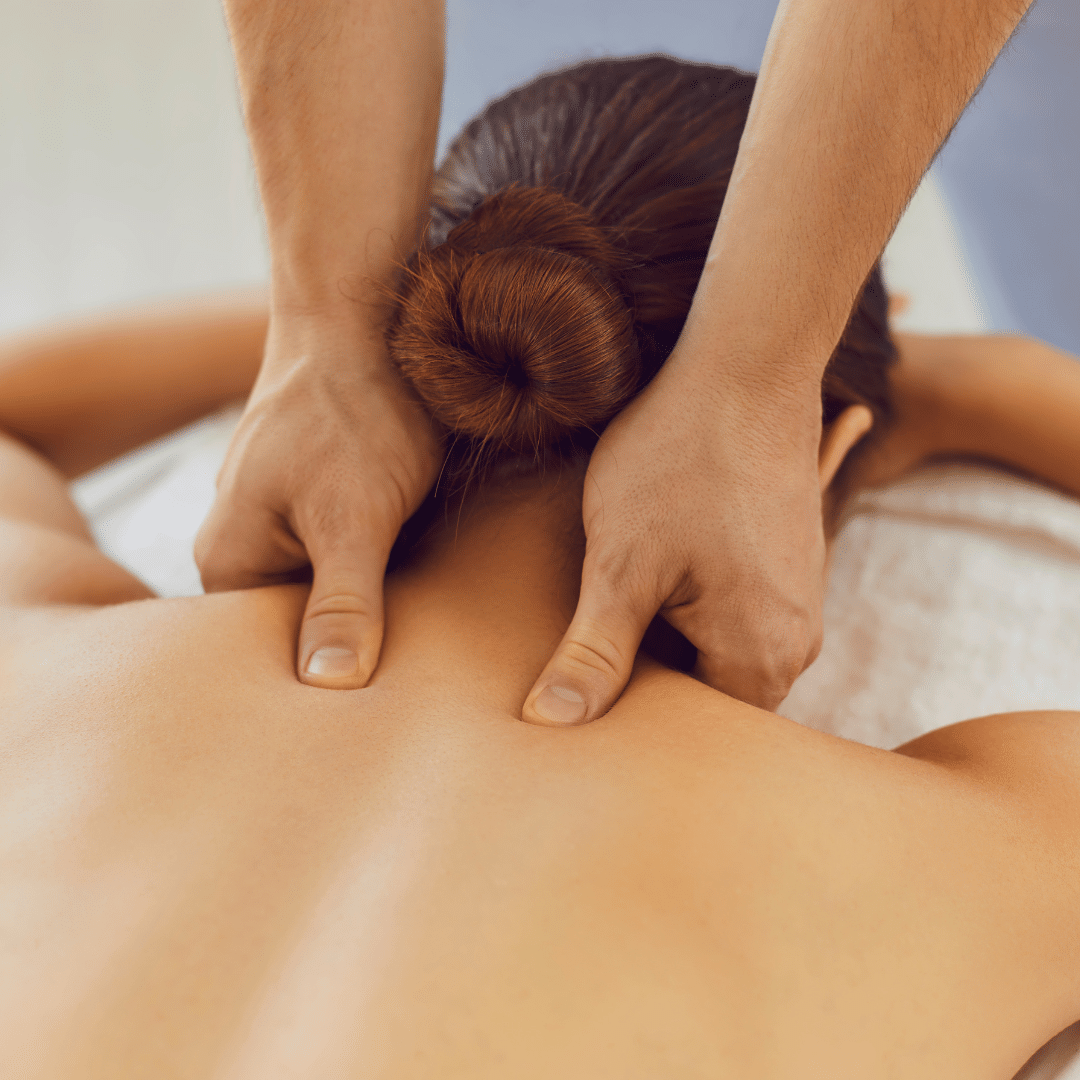
Benefits of Massage
- Pain Reduction: Numerous studies have demonstrated that massage can effectively alleviate pain associated with various conditions, including musculoskeletal injuries, chronic pain, and postoperative discomfort. It does this by reducing inflammation, releasing endorphins (natural painkillers), and promoting relaxation. It can also activate the body’s natural pain-relief mechanisms by promoting the release of endorphins, which act as natural analgesics.
- Improved Circulation: Massage increases blood flow, which helps deliver essential nutrients and oxygen to damaged tissues. This enhanced circulation also aids in the removal of metabolic waste products, accelerating the healing process.
- Enhanced Flexibility and Range of Motion: Through the manipulation of muscles and connective tissues, massage can improve flexibility and range of motion. This is especially beneficial for athletes and individuals recovering from injuries.
- Stress Reduction: The stress hormone cortisol is known to hinder the body’s natural healing mechanisms. Massage helps reduce cortisol levels while increasing the production of serotonin and dopamine, promoting relaxation and a sense of well-being. This stress reduction plays a vital role in promoting recovery and preventing injury.
- Better Sleep: Similar to the above, massage therapy can help improve sleep quality by reducing stress and promoting relaxation.
- .Immune System Boost: Some studies suggest that massage may stimulate the lymphatic system, contributing to improved immune function
Common Types of Massage:
- Swedish Massage: A gentle, relaxing approach that involves long strokes, kneading, tapping, and circular movements. It’s perfect for stress relief and relaxation.
- Deep Tissue Massage: This style of treatment targets deep layers of muscles and connective tissue to address chronic pain and muscle tension.
- Sports Massage: Designed for athletes, sports massage focuses on preventing and treating injuries, enhancing performance, and aiding in recovery.
- Hot Stone Massage: Smooth, heated stones are placed on specific areas of the body to relax muscles and promote circulation.
- Thai Massage: This style combines stretching and deep massage to improve flexibility and energy flow.
Uses of Massage in Injury Prevention and Recovery
As an osteopathy practice our main focus is restoring function, reducing pain and preventing future injuries. The list below is a quick guide on how massage therapy can be used in conjunction to compliment osteopathy treatments:
- Preventive Maintenance: Regular massages can help identify and address minor issues before they become serious injuries. A trained therapist can detect areas of tension or imbalance and work on them before they lead to more significant problems.
- Sports Performance: Athletes frequently utilise massage as a vital component of their training and recovery routines. It helps prevent injuries by maintaining muscle balance and flexibility, and aids in faster recovery after intense workouts or competitions. It can also stimulate neuromuscular pathways which can lead to increased muscle relaxation and improved coordination.
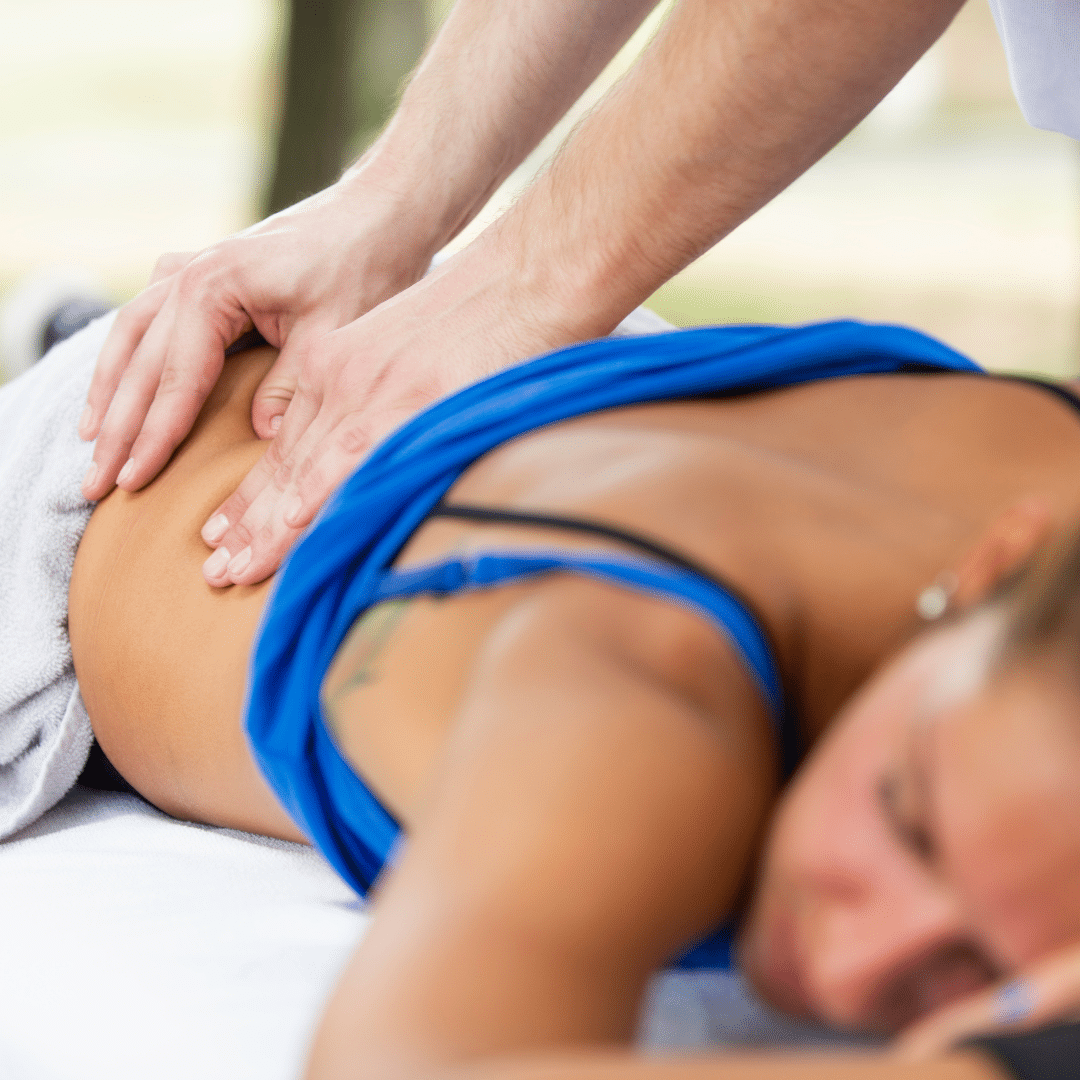
- Rehabilitation: For those recovering from injuries this can be a crucial part of the rehabilitation process. Massage helps break down scar tissue, increase blood flow to the injured area. This, in turn, accelerates the repair of damaged tissues.
- Chronic Pain Management: Individuals with chronic conditions like fibromyalgia, osteoarthritis, or migraines often turn to this style of treatment to manage their symptoms and improve their overall quality of life.
Conclusion
Massage therapy is a science-backed method for injury prevention and recovery. Its benefits, applications, and underlying mechanisms make it a valuable tool in the realm of healthcare and wellness. Whether you’re an athlete aiming to enhance performance, an individual recovering from an injury, or someone seeking relief from chronic pain, consider incorporating massage into your healthcare routine to experience its remarkable healing effects. At Back Pain Solutions, our dedicated team of skilled therapists is here to guide you on your journey to wellness through the healing power of massage therapy. Book a session with us today and experience the transformative effects first-hand. Your body and mind will thank you.

Leave A Comment